Address:10-1 Xipan Xiangyuan, Luoshe Town, Huishan District, Wuxi City
















Categories
Stainless Steel

430 stainless steel is a very practical material for a variety of applications due to its durability and corrosion resistance. However, high chromium content makes it more difficult to perform welding jobs for 430 stainless steel.

439 stainless steel is a ferritic stainless steel with 17-20% of chromium and low carbon content. This combination gives it excellent corrosion resistance, especially in environments where chloride ions are present.

440C stainless steel is a high carbon martensitic stainless steel that has high strength, moderate corrosion resistance, and good hardness and wear resistance. Grade 440C is capable of attaining, the highest strength, hardness and wear resistance of all the stainless alloys after heat treatment.

444 stainless steel is mostly popular for its brilliant corrosion resistance and heat resistance just like many other stainless steels. This stainless steel has a wide range of applications and can maintain stable performance in a variety of extreme environments.

904L stainless steel is a stainless steel material with high corrosion resistance, high strength and good mechanical properties. Due to its excellent tolerance and reliability to harsh environments, 904L stainless steel is commonly used in petroleum, chemical industry, and marine engineering.

201 stainless steel generally refers to 201 stainless steel and acid resistant steel. 201 stainless steel refers to the steel that is resistant to the corrosion of weak media such as atmosphere, steam and water, while acid resistant steel refers to the steel that is resistant to the corrosion of chemical corrosive media such as acid, alkali and salt.

The chemical composition of 416 stainless steel mainly includes iron, chromium, nickel and other elements. This chemical composition ratio gives 416 stainless steel excellent corrosion resistance and mechanical properties.
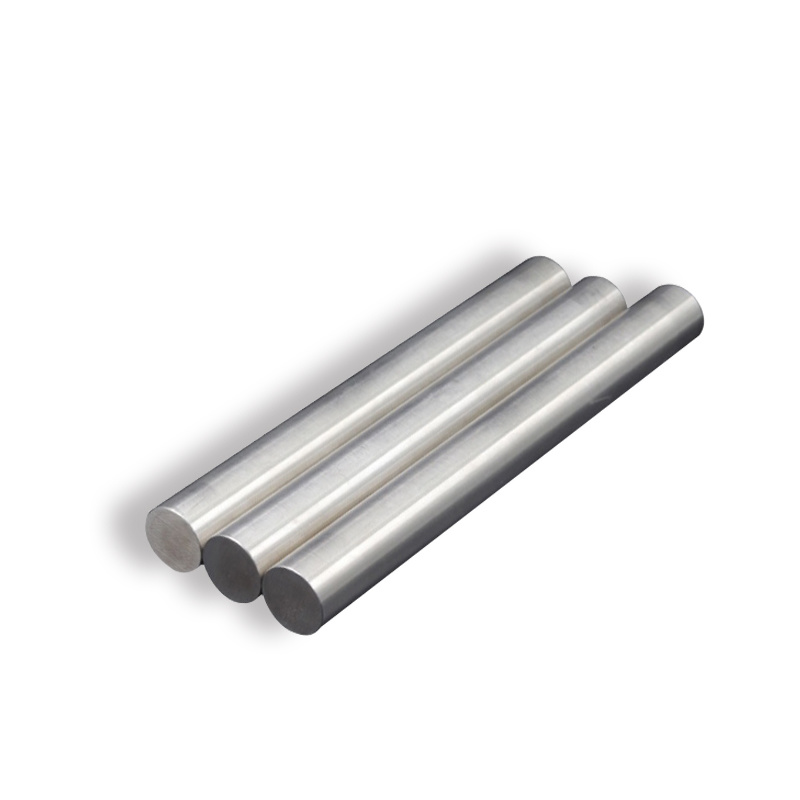
201 stainless steel is the steel that is resistant to the corrosion of weak media such as atmosphere, steam and water, while acid resistant steel refers to the steel that is resistant to the corrosion of chemical corrosive media such as acid, alkali and salt.
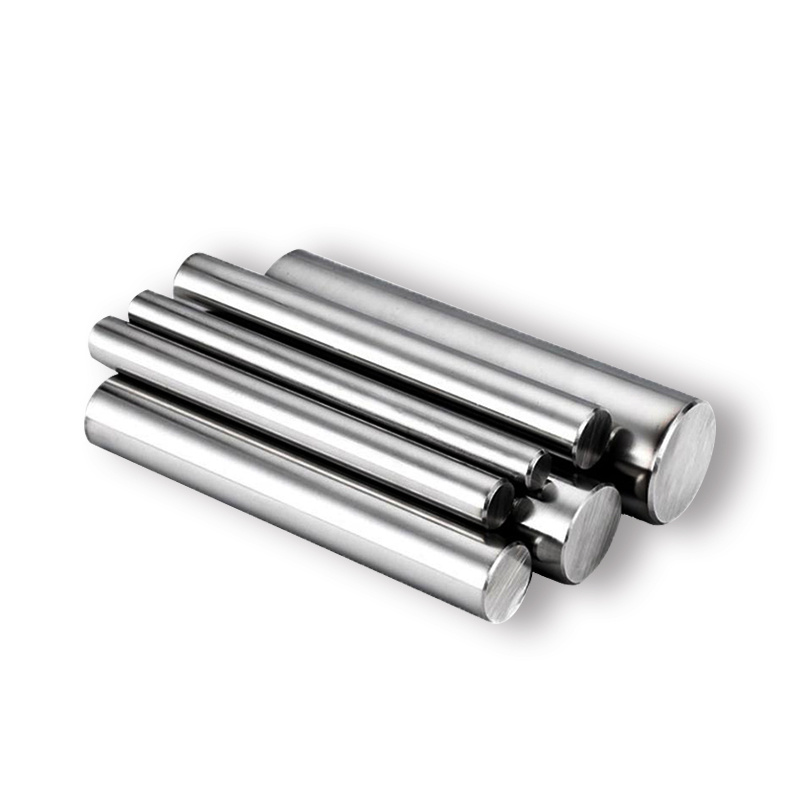
202 stainless steel is made of a stainless steel with low nickel content and high manganese content. Because it is a stainless steel originally developed to save nickel, so its nickel content is lower than most other stainless steels.

301 stainless steel is a common austenitic stainless steel accommodating 17 percent chromium and 7 percent nickel, giving it extra strength and ductility when cold worked. What is more, it has amazing corrosion resistance properties.
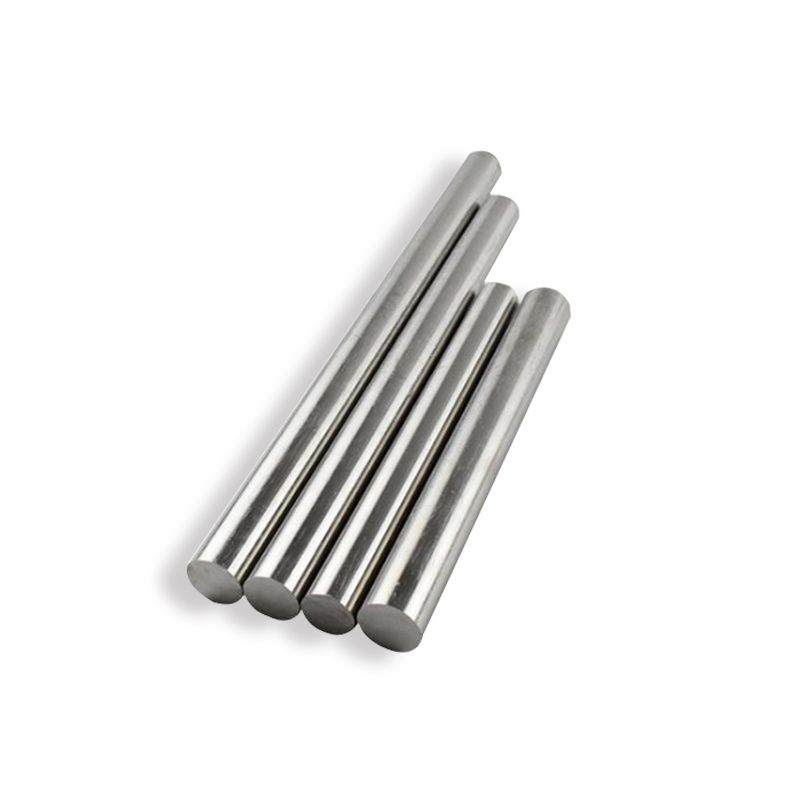
302 stainless steel is an austenitic stainless steel consisting partially of 18% chromium and 8% nickel. Its chemical composition is reliant heavily on reasonable alloy design to fulfill a number of excellent properties.
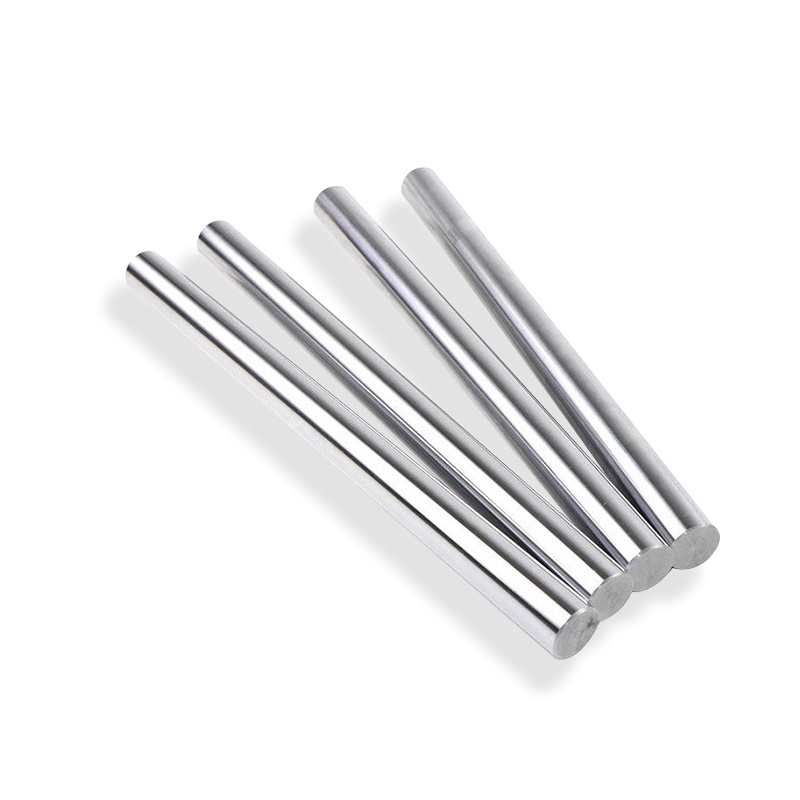
303 stainless steel bar is made of an austenitic, easy-cutting, wear-resistant acid stainless steel containing sulfur and selenium respectively. It is used in situations where cutting and high surface finish are needed.
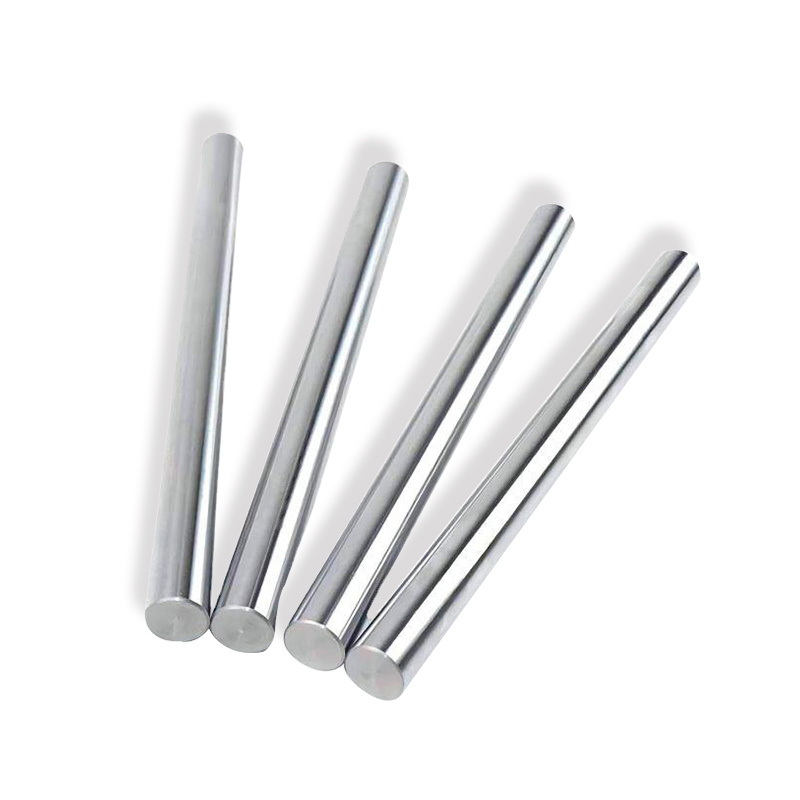
305 stainless steel is a common austenitic stainless steel containing elements such as chromium, nickel, and manganese. Chromium is the main anti-corrosion element and can combine with oxygen to form a dense oxide film to protect materials from corrosion. Nickel can improve the material's heat resistance and toughness while reducing its magnetism. Manganese can add to the strength and hardness of materials.

309 stainless steel is a stainless steel material featured by excellent corrosion resistance and high temperature performance. 309 stainless steel bars are widely used as manufacturing parts in aviation, chemical industry, petroleum, food processing fields
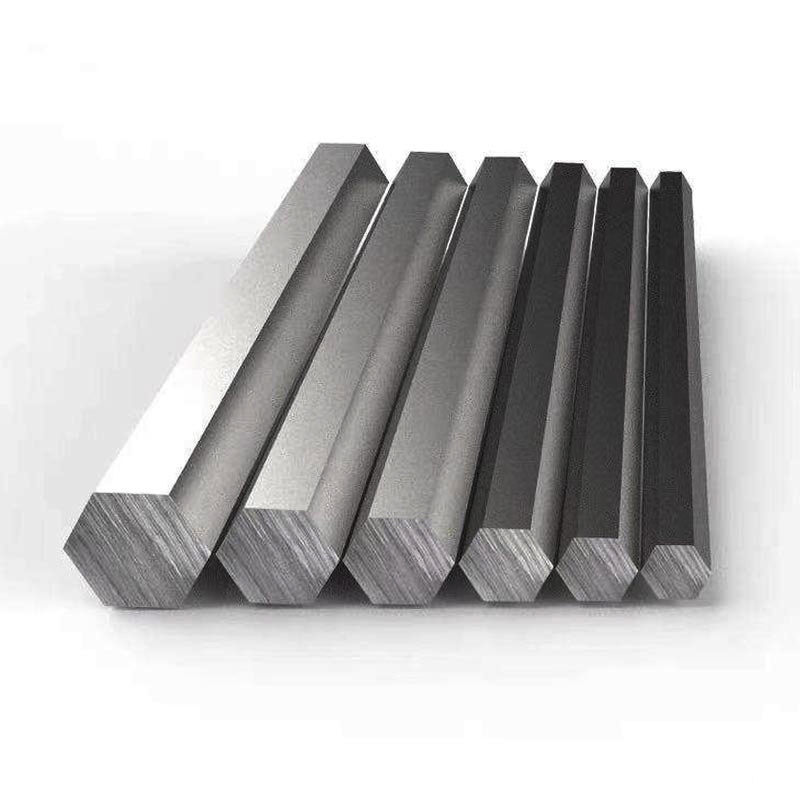
316Ti is a titanium stabilized version of 316 molybdenum-containing austenitic stainless steel. It has better resistance to general corrosion and pitting/crevice corrosion than traditional chromium-nickel austenitic stainless steels such as 304.
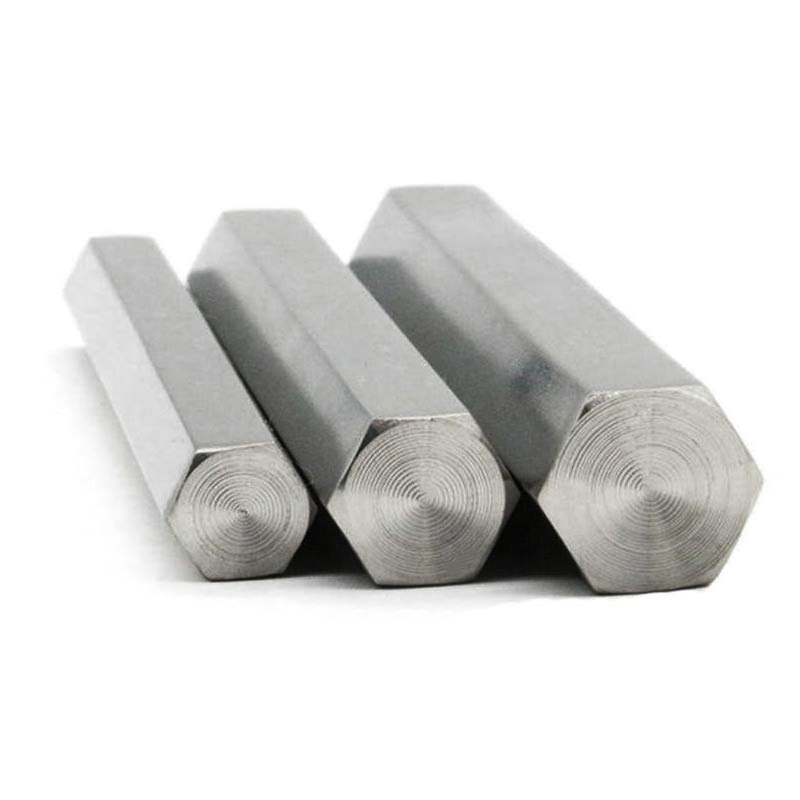
317L stainless steel has lower carbon content than 317 stainless steel, which means it has better corrosion resistance and higher creep strength at high temperatures. Its main alloying elements include molybdenum, nickel and chromium.
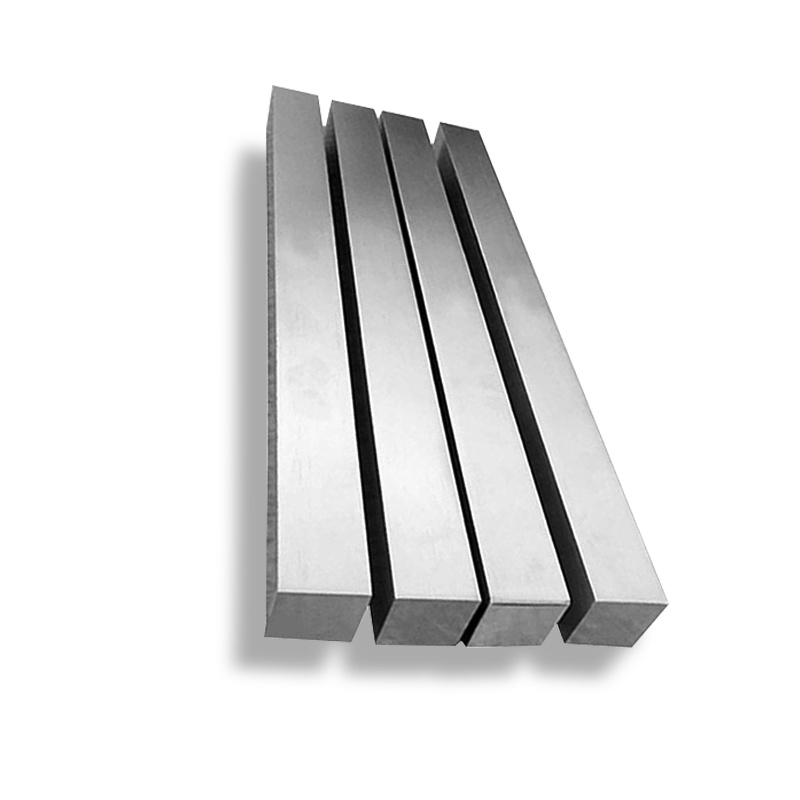
321 stainless steel is an austenitic stainless steel characterized by excellent corrosion resistance at room temperature, as well as good high-temperature strength and creep resistance.

330 stainless steel bar is made of a high temperature alloy stainless steel, also known as Incoloy 330 or UNS N08330. It is mainly composed of chromium, nickel, iron and has the features of high temperature resistance, high strength and corrosion resistance.
WUXI JIUCHUANG STAINLESS STEEL CO.LTD
Tel:+86-18921168065
E-mail:info@jiuchuangsteel.com
Add:10-1 Xipan Xiangyuan, Luoshe Town, Huishan District, Wuxi City

copyright © 2025 WUXI JIUCHUANG STAINLESS STEEL CO.LTD
Business license