Address:10-1 Xipan Xiangyuan, Luoshe Town, Huishan District, Wuxi City
















Categories
Stainless Steel

347 stainless steel is made of a high-temperature oxidation-resistant stainless steel material mainly consisting of chromium, nickel and titanium. It can be used at high temperatures and resists corrosion and oxidation effectively.

403 stainless steel is sorted as a martensitic stainless steel with high chromium and low carbon content. It is also known as UNS S40300 and is commonly used in applications requiring high strength and corrosion resistance.

405 stainless steel is categorized as austenitic stainless steel material that is resistant to corrosion with good mechanical properties. The bars are usually used as manufacturing parts in marine engineering, petrochemical industry, food processing and other fields.

409 stainless steel is categorized as ferritic steel that is highly resistant to corrosion and high temperature with superior mechanical properties. It contains around 11% chromium, which is the minimum amount required to form the passive surface film that makes stainless steel resistant to corrosion.

410 stainless steel is a commonly used martensitic stainless steel consisting of iron, carbon, chromium and a small amount of other elements.

416 stainless steel is mainly composed of iron, chromium, nickel. The right chemical composition ratio makes 416 stainless steel resistant to corrosion and gives it good mechanical properties.

420 stainless steel is a medium-carbon stainless steel composed of chromium, carbon and molybdenum, with good corrosion resistance and strength.

430 stainless steel has always been a popular material for a variety of applications for its durability and corrosion resistance. However, welding 430 stainless steel can be challenging due to its high chromium content.

439 stainless steel is a ferritic stainless steel with high amounts of chromium and low carbon content. This gives it excellent corrosion resistance, especially in environments where chloride ions exist.

444 stainless steel bars are known for both outstanding corrosion resistance and heat resistance. This stainless steel has a wide range of applications and shows stable performance in a variety of extreme environments.

904L stainless steel is a stainless steel material with good corrosion resistance, strength and mechanical properties. Given its excellent tolerance to harsh environments, 904L stainless steel bars are commonly used as manufacturing parts in fields including petroleum, chemical industry, and marine engineering.

254SMO stainless steel bars have a precisely proportioned and optimized chemical composition, which leads to excellent corrosion resistance, high temperature strength and processing performance.

Stainless steel wire is the raw material for screws, springs, metallic net, cable wire and hardware. It is widely used in filter, building and important for electronic parts, oil and fiber industry, kitchenware and hardware.

Stainless steel wire is the raw material for screws, springs, metallic net, cable wire and hardware. It is widely used in filter, building and important for electronic parts, oil and fiber industry, kitchenware and hardware.

Stainless Steel Hex Bar is used in applications that require additional strength. The additional strength comes from the geometry of the hex bars. Stainless steels are in different types such as ferritic, austenitic, martensitic and duplex.

Stainless steel flat bar is a common use case for polished stainless steel, typically 304 stainless steel. Flat bars are used for various structural supports and functional elements, including braces, trim, frames, and more.

Seamless tubes are as defined – they do not have a welded seam. The tubing is manufactured through an extrusion process where the tube is drawn from a solid stainless steel billet and extruded into a hollow form.
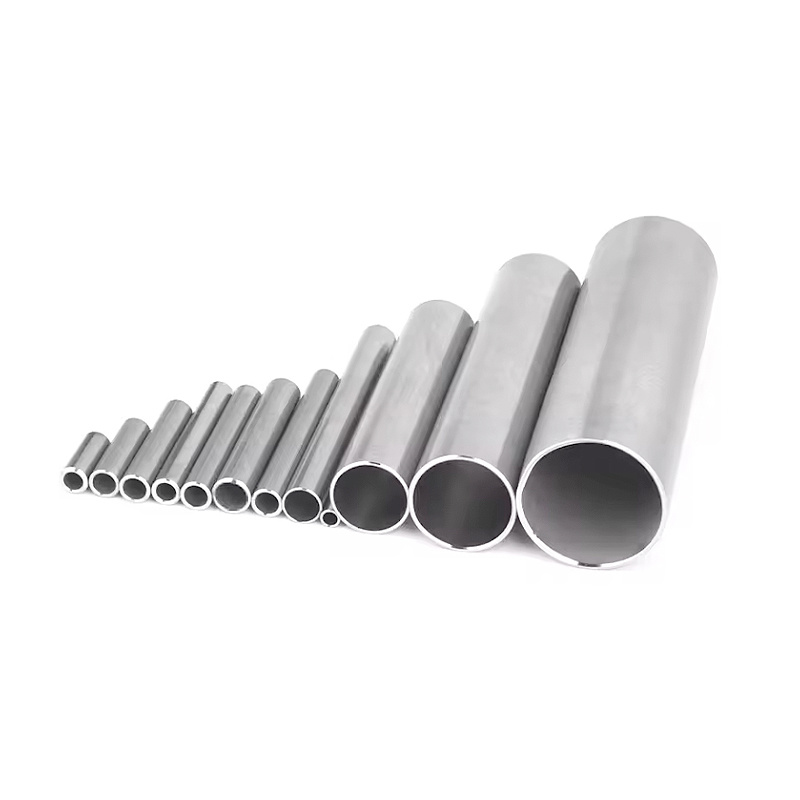
Stainless steel welded pipes are manufacture from premium quality stainless steel materials, which offer excellent mechanical properties, including high strength, toughness, corrosion resistance, and excellent welding characteristics.
WUXI JIUCHUANG STAINLESS STEEL CO.LTD
Tel:+86-18921168065
E-mail:info@jiuchuangsteel.com
Add:10-1 Xipan Xiangyuan, Luoshe Town, Huishan District, Wuxi City

copyright © 2025 WUXI JIUCHUANG STAINLESS STEEL CO.LTD
Business license