Categories
Carbon Steel
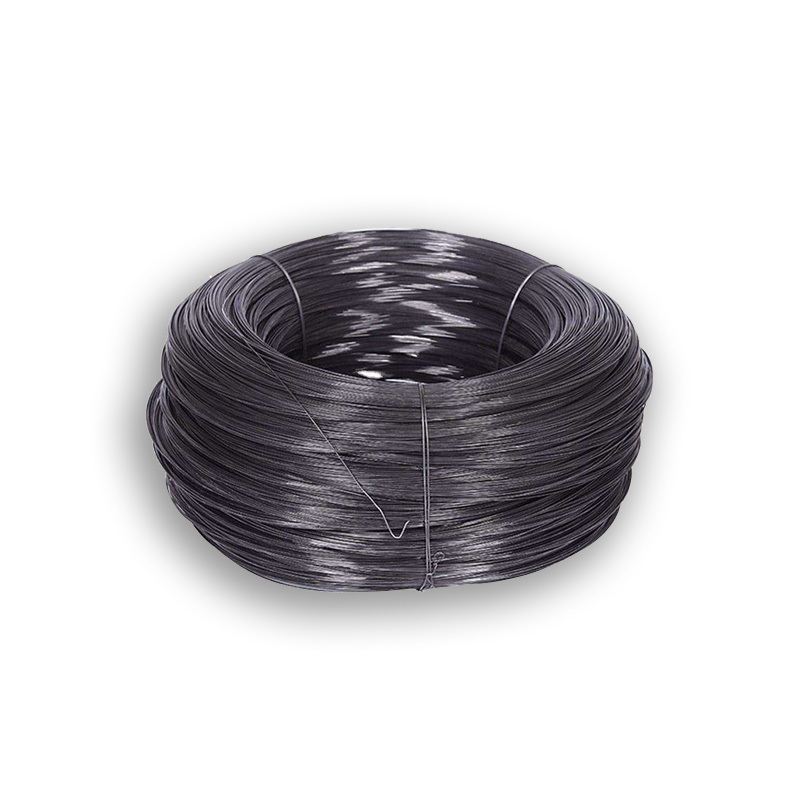
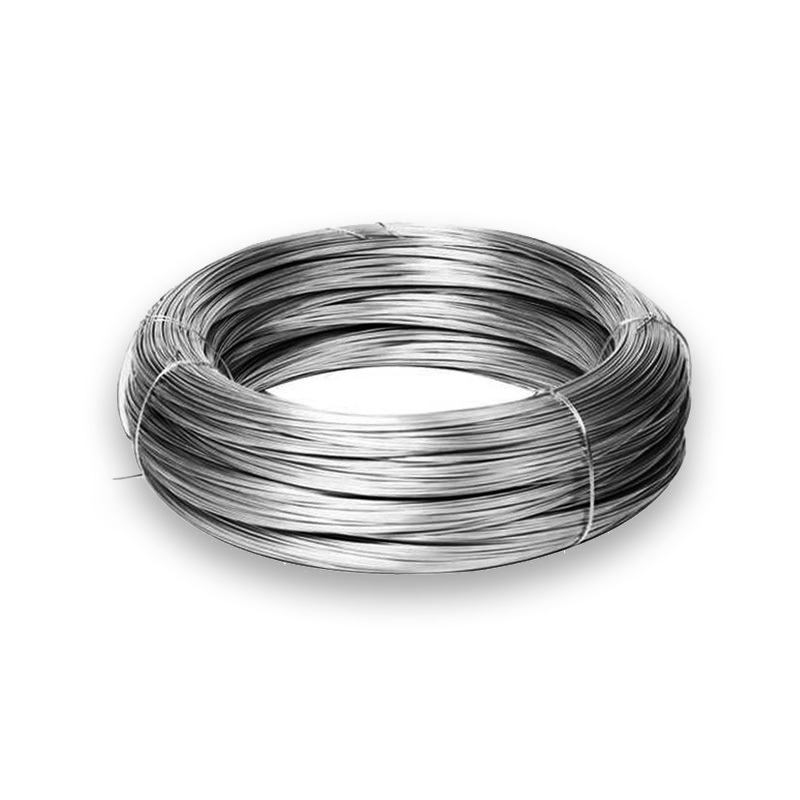
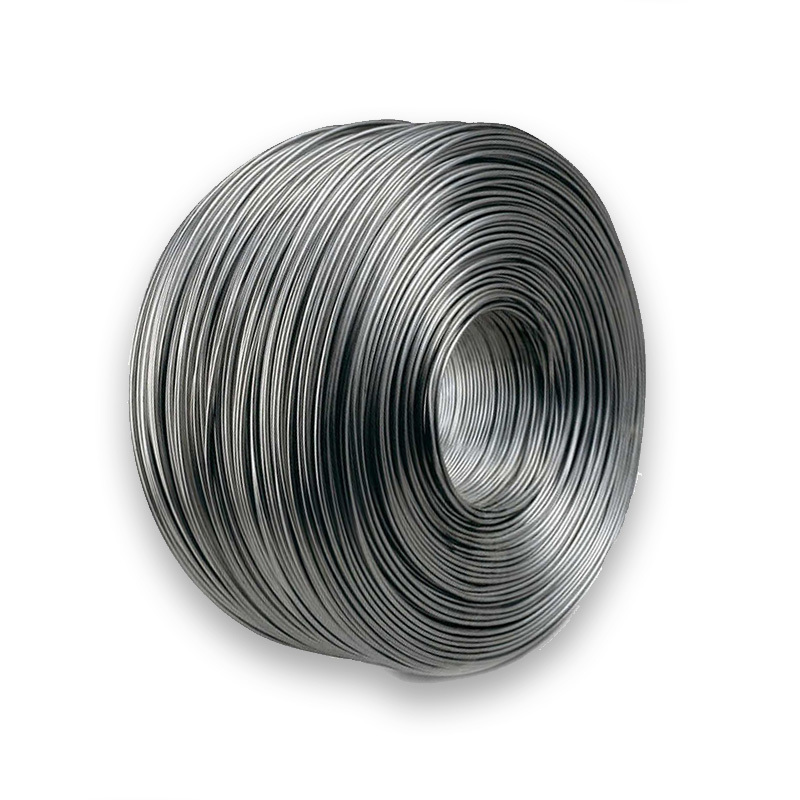
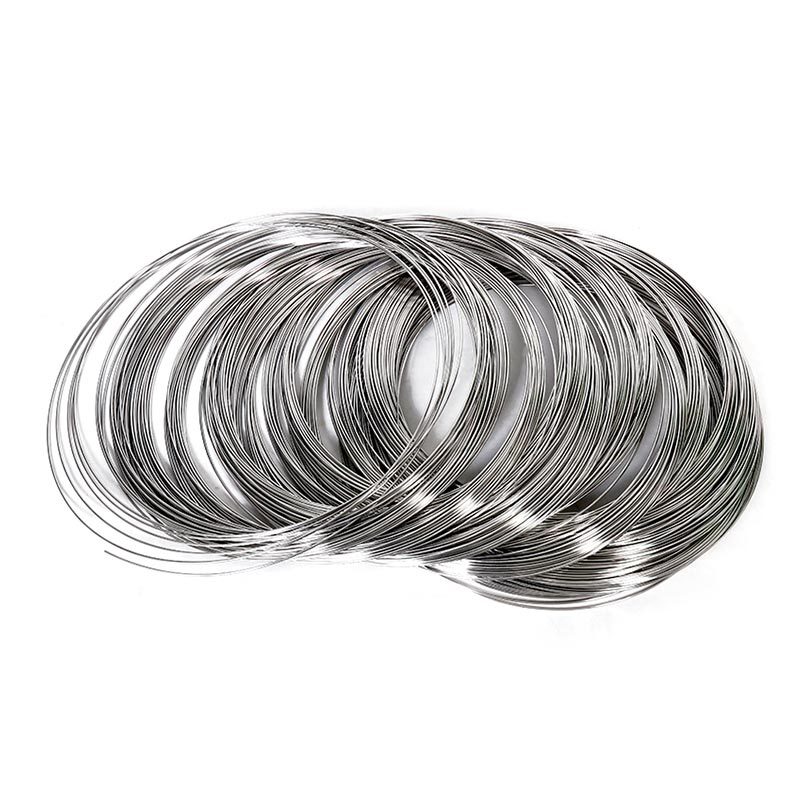
High Carbon Spring Tempering Steel Wire
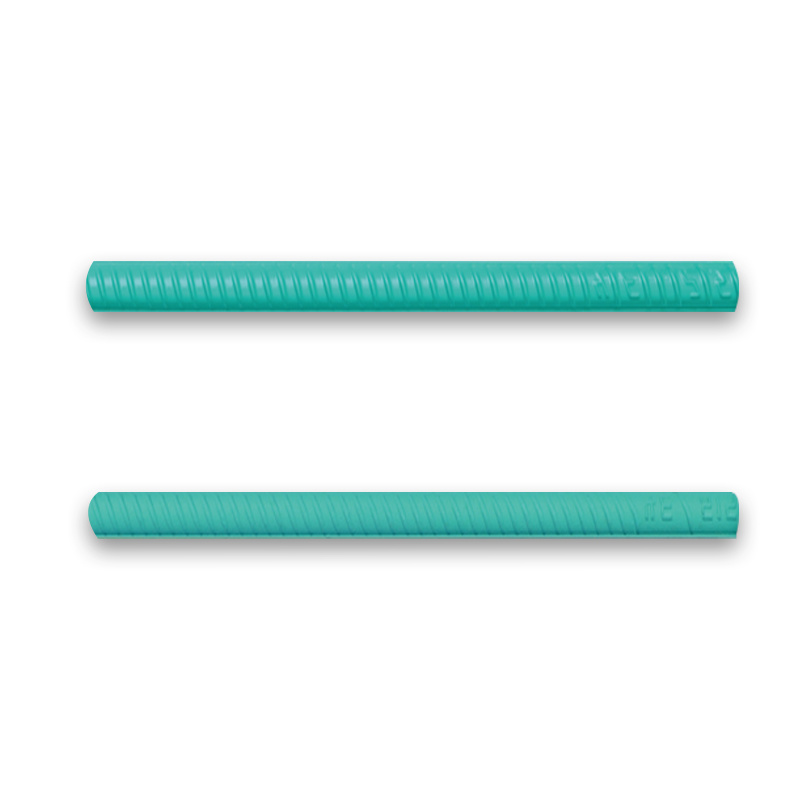
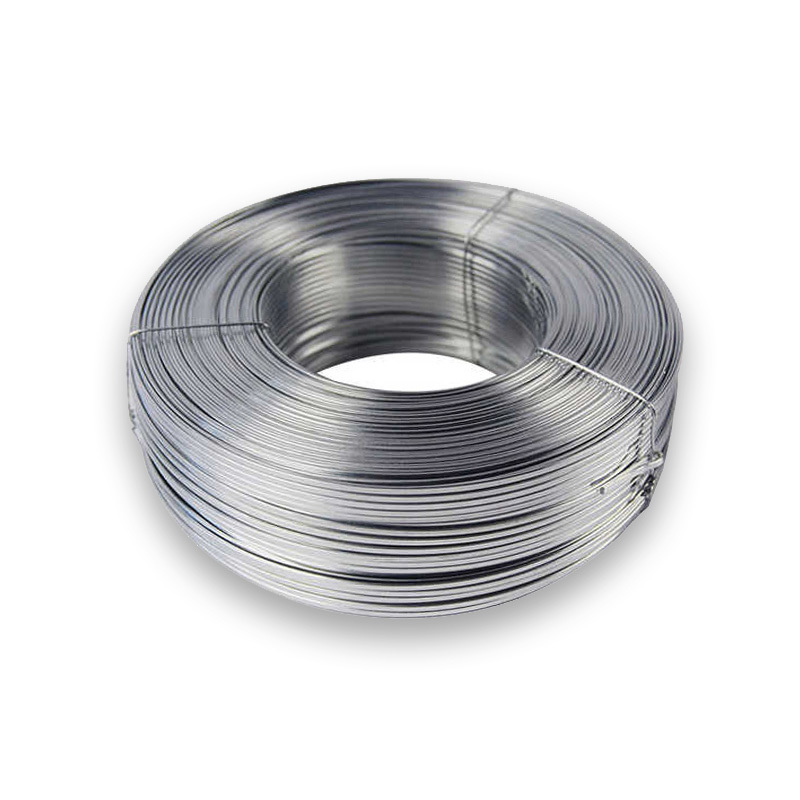
High carbon steel is used to make spring tempered carbon steel wire. Commonly used grades of spring steel wire do not have a specific chemical name. They are instead specified and manufactured according to performance criteria specific to their primary end use, which is the manufacture of coil springs. These performance standards allow a range of carbon content, but there are other factors, such as tensile strength and bending/winding tests must be met within the specified range.
Epoxy resin coated steel bar is an epoxy resin protective coating prepared on the surface of ordinary steel bar by electrostatic spraying powder high temperature sintering process. The coating has excellent chemical corrosion resistance and does not react with acid and alkali. And the coating has anti-permeability, so it can delay the corrosion medium (such as water, oxygen, chloride, etc.) contact with the steel, so that its corrosion resistance life is greatly extended.
BS4449 Steel Reinforcement Rebar
BS4449 is yet another deformed steel bar standard. It is also differentiated as per European standards. When it comes to manufacturing, the steel bars falling in this standard are also hot rolled, which means that they are also used for general purposes, i.e. in common construction projects.
ASTM A615 Reinforcing Bar Grade 60
ASTM A615 is a deformed steel standard categorized under American standards. These are generally available in diameter between 9.5 mm and 43 mm, and length between 6 m and 12 m. Generally, the steel bars that fall under this standard are under deformed or plain carbon steel.
ASTM A615 Concrete Rebar Grade 40
A615 grade 40 steel adds the most benefit when building materials must hold concrete in compression. Strength is one of the differentiators for these two rebar grades. The minimum tensile strength for A615 grade 40 steel is 70.05 ksi. It has a minimum yield strength of 40 ksi.
ASTM A615 Reinforcement Bar Grade 75
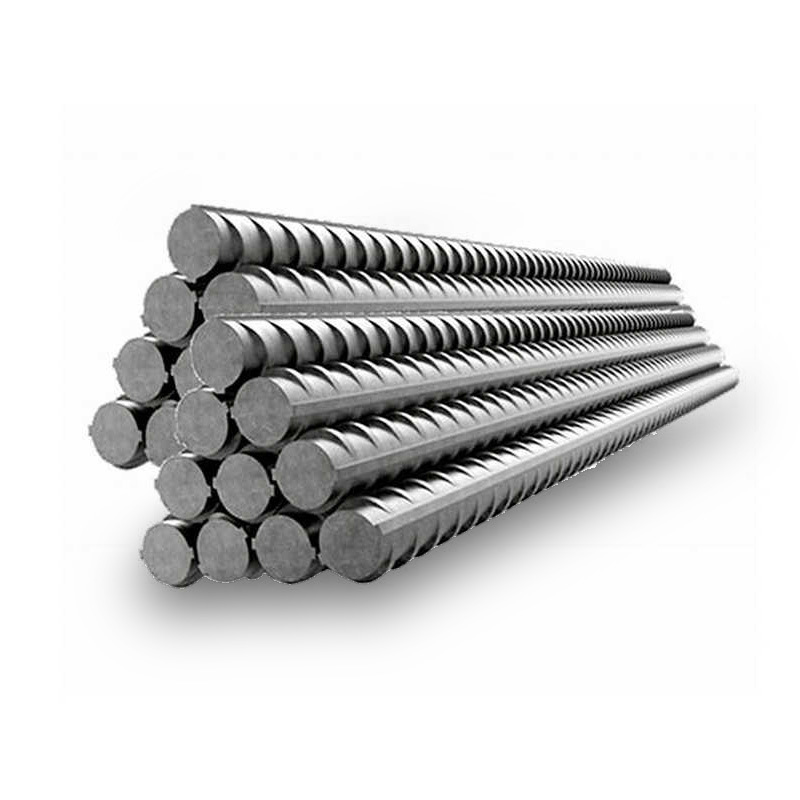
ASTM A615 is a deformed steel standard categorized under American standards. These are generally available in diameter between 9.5 mm and 43 mm, and length between 6 m and 12 m. Generally, the steel bars that fall under this standard are under deformed or plain carbon steel.
TMT means Thermo Mechanical Treatment, which is a thermomechanical process; These TMT steel bars are generally used material in construction for enhanced protection against earthquake and another type of natural disasters. To ensure safety for your structure, TMT steel bars should be resistant to corrosion which helps to obtain a longer life to your structure.
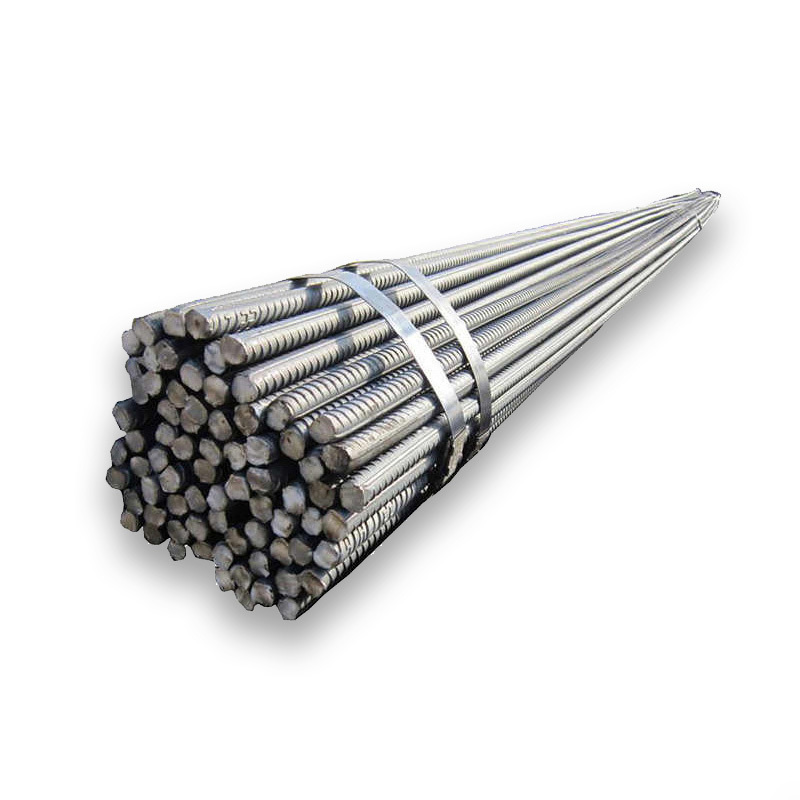
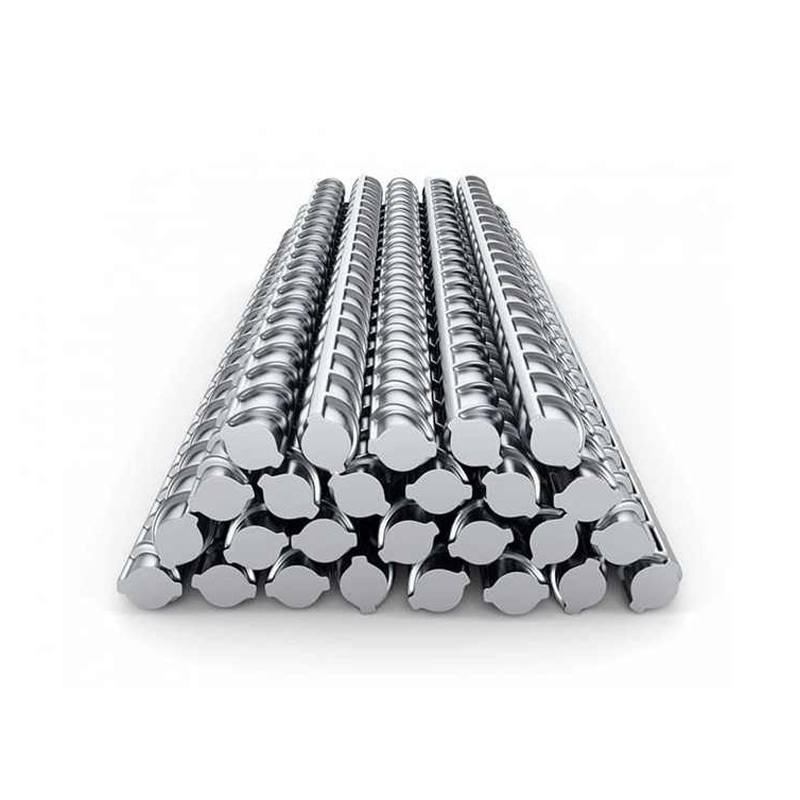
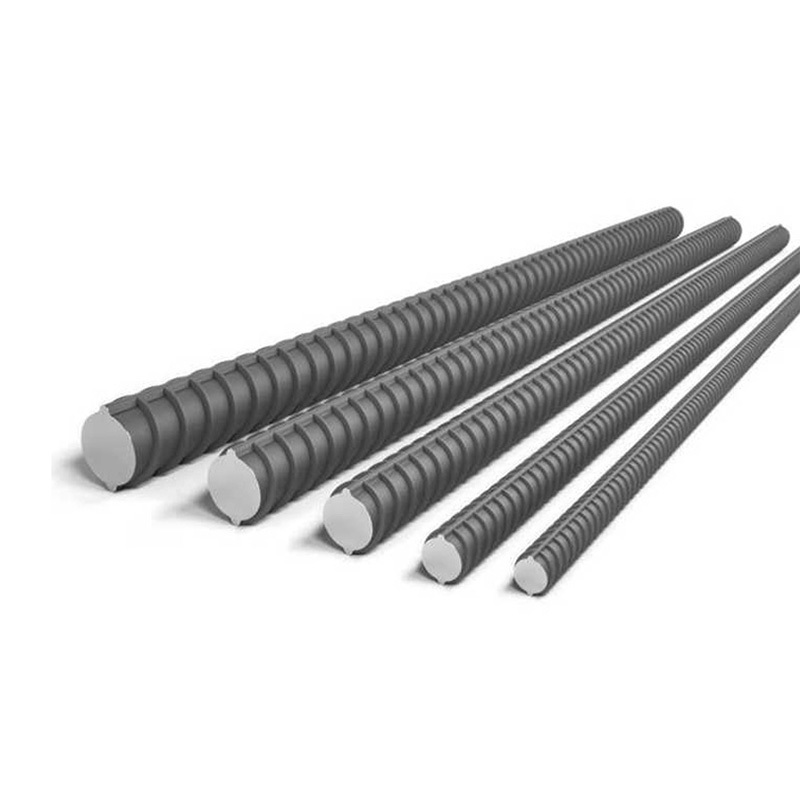
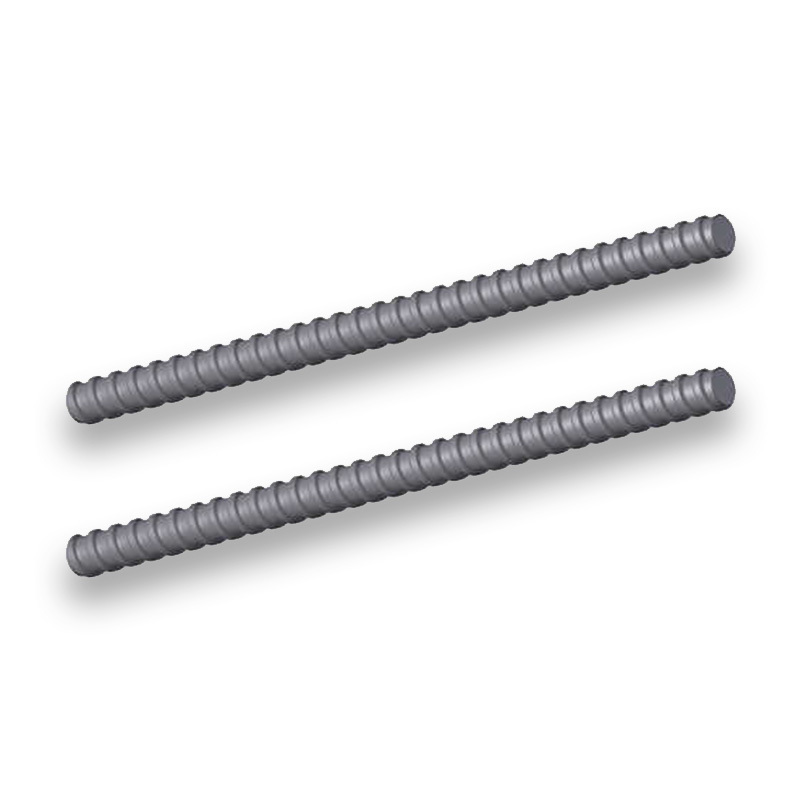
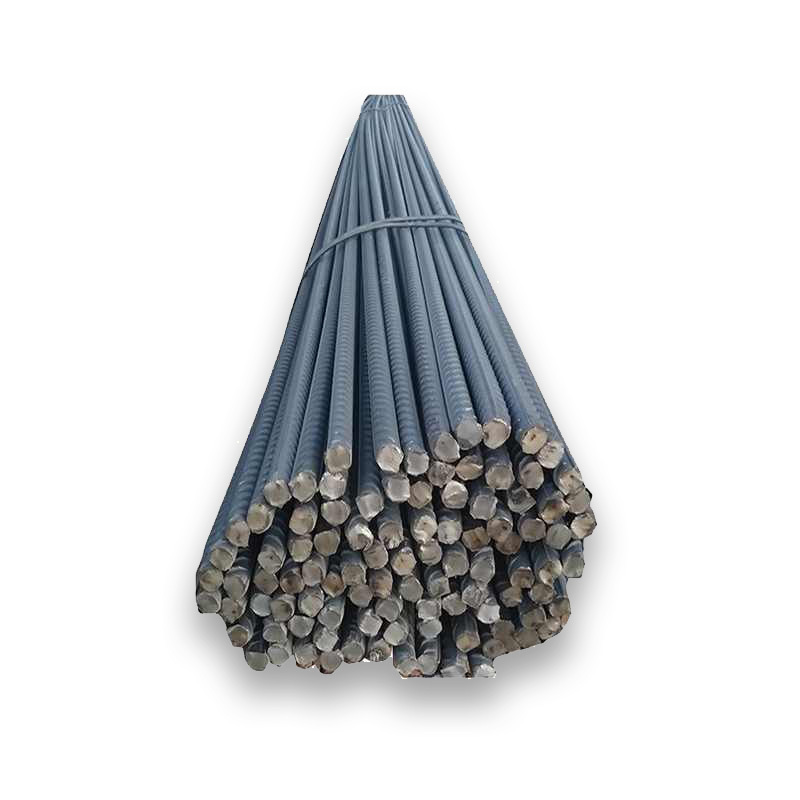
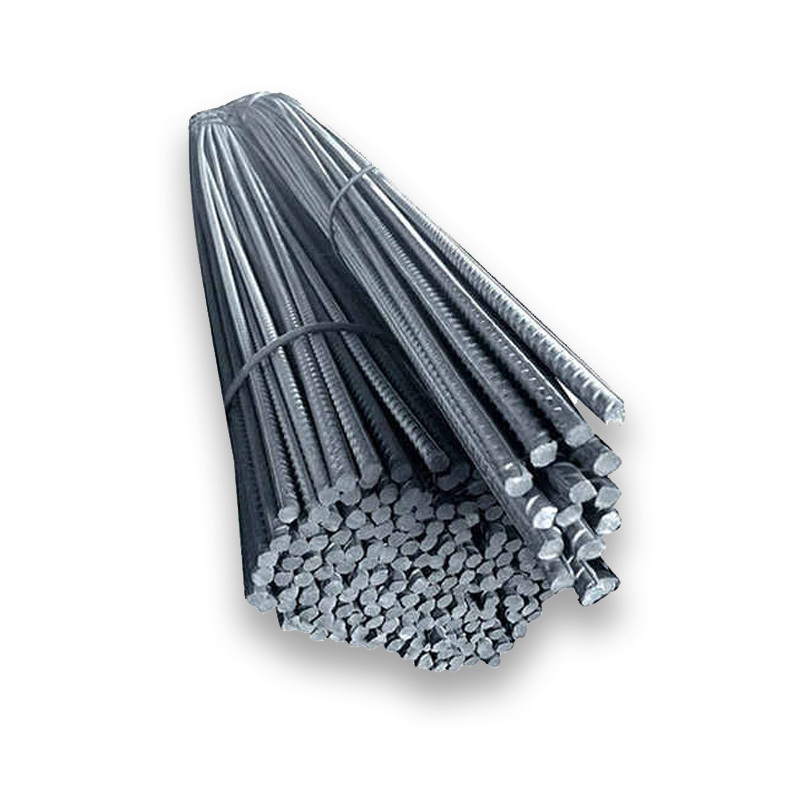
Deformed bar, also known as rebar (short for reinforcing bar), is a steel bar or mesh of steel wires used as tension devices in reinforced concrete and reinforced masonry structures to strengthen and hold the concrete in tension. Deformed bar’s surface is often patterned to form a better bond with the concrete.
ASTM A615 Reinforcement Bar Grade 80
ASTM A615 is a deformed steel standard categorized under American standards. These are generally available in diameter between 9.5 mm and 43 mm, and length between 6 m and 12 m. Generally, the steel bars that fall under this standard are under deformed or plain carbon steel.
Steel grade G10060 (SAE 1006) - low carbon material from which wire rod and round wire are produced in riots or cut rods. Standart: ASTM A510M. Standard specification for general requirements for carbon steel wire rod and round wire. Classification: Low-carbon steel.
Steel grade G10080 (SAE 1008) - low carbon material from which wire rod and round wire are produced in riots or cut rods. Standart: ASTM A510M. Standard specification for general requirements for carbon steel wire rod and round wire. Classification: Low-carbon steel.
ASTM A510 A510M wire is one of the most widely used steel varieties. After rolling, it can be directly used for reinforcing and welding structural components of reinforced concrete, or it can be further processed for use.
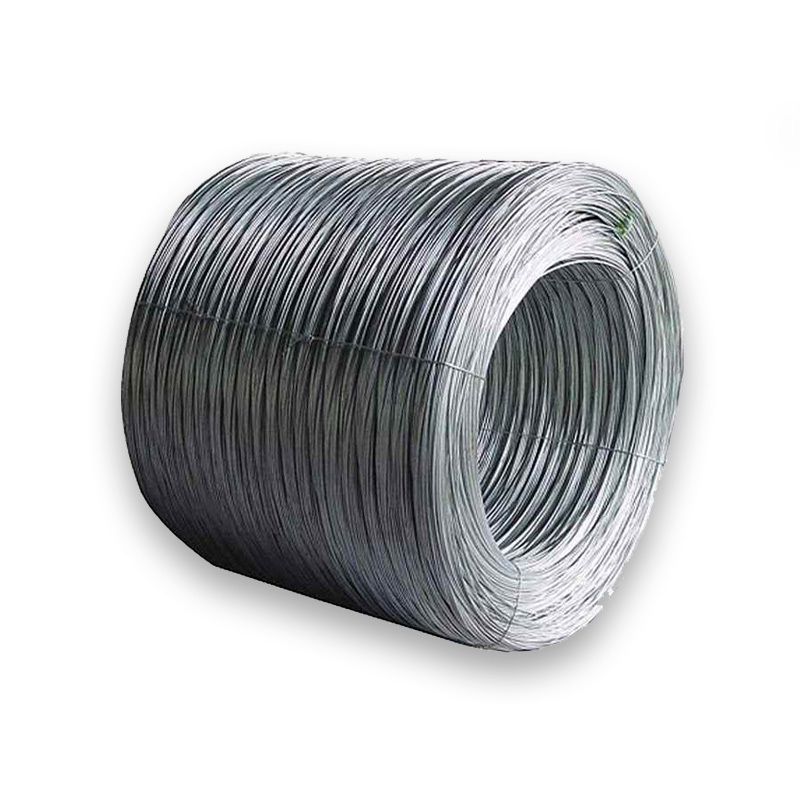
Steel wire is one of the four major varieties of steel: plate, tube, profile and wire. It is a reprocessed product made of hot-rolled wire rod by cold drawing. According to the section shape, it mainly includes circle, square, moment, triangle, ellipse, flat, trapezoid, zigzag, etc. Ordinary quality steel wire includes steel wire for welding rod, nail making, mesh making, packaging and printing industry.
Galvanized steel wire is defined as a steel wire that has been coated with zinc to protect it from corrosion called galvanization. The galvanization process involves applying a zinc layer to the steel wire's surface, creating a barrier that prevents oxygen and water from reaching the steel, which causes it to rust. This can be done through electro-plating or hot-dip galvanizing.
API Spec 5L Pipeline Steel Coil Steel Plate
API Spec 5L is an international standard that specifies the manufacturing requirements for two product specification grades (PSL 1 and PSL 2) of seamless and welded steel pipes used in pipeline transportation systems in the oil and gas industry.
Hot Rolled Steel A36 (ASTM A36) is the most commonly available grades of the hot-rolled steels which has good overall mechanical properties, is easily fabricated and may be formed hot or cold. Due to the hot roll process the surface on this steel will be rough when compared to cold rolled. ASTM A36 yield strength is also less than C1018.
A572 Grade 50 Hot Rolled Steel Plate
ASTM A572, specification for High-strength low-alloy Columbium-Vanadium structural steel plate. This specification covers 5 grades and 4 types of high strength low alloy structural steel shapes, plates, piling, bars. Grade 42, 50, 55, 60, 65 and type 1, 2,2 3, 5. Low alloy and high strength structural steel plate is widely used in engineering structure applications, such as building structure, construction machinery, mine machinery, truck, bridge, pressure vessel, etc.
SPHC is manufactured through a process known as hot rolling, where steel is passed through rollers at high temperatures to form sheets or strips. This helps improve its physical properties such as strength, durability, and ductility.