Address:10-1 Xipan Xiangyuan, Luoshe Town, Huishan District, Wuxi City
















Categories
Carbon Steel

SPHC is manufactured through a process known as hot rolling, where steel is passed through rollers at high temperatures to form sheets or strips. This helps improve its physical properties such as strength, durability, and ductility.

SPHC is manufactured through a process known as hot rolling, where steel is passed through rollers at high temperatures to form sheets or strips. This helps improve its physical properties such as strength, durability, and ductility.

SPHC is manufactured through a process known as hot rolling, where steel is passed through rollers at high temperatures to form sheets or strips. This helps improve its physical properties such as strength, durability, and ductility.

API Spec 5L is an international standard that specifies the manufacturing requirements for two product specification grades (PSL 1 and PSL 2) of seamless and welded steel pipes used in pipeline transportation systems in the oil and gas industry.

API is an acronym for the American Petroleum Institute and is considered the most authoritative and comprehensive principle in the oil and gas industry. API 5B and API 5CT are mainly used for oil casing. API 5CT oil casing can be divided into seamless steel pipe and welded steel pipe.

A516 hot rolled steel plate is a high-quality boiler and pressure vessel steel that is very suitable for low to medium temperature applications.

Manganese Plate is the ideal solution for cases where severe wear is combined with shocks or high pressure capable of work-hardened its austenitic structure. Used in jaws of crushers, hammers or pulverizers, cutting edges of large excavators, liners of shotblasting units, cores and wall of parpen moulds, and screens.

Mild Steel plate is made from low-carbon mild steel that is used to provide additional strength and support to buildings and other structures. It is commonly used in road repairs as platforms, structural members in buildings, bridges, and general fabrication works.

The steel used to create storage tanks falls into two main categories: carbon steel and stainless steel. Carbon steels can be divided into three main categories: low carbon steel, medium carbon steel, and high carbon steel.

Carbon Shipbuilding Steel Plate
Shipbuilding steel plate refers to the carbon and alloy steel plate used in offshore and marine contructions, common grades are A, B, D, E, AH32/36/40, DH32/36/40, and EH32/36/40 which ranged from different strength.

Carbon steel square tube is a type of steel pipe with a square cross-section, mainly composed of elements such as carbon, manganese, silicon, phosphorus, sulfur, etc. Carbon steel square pipes are widely used in fields such as building structures, mechanical manufacturing, highway facilities, bridges and pipelines.

Carbon steel rectangular tube is a type of steel pipe with a square cross-section, mainly composed of elements such as carbon, manganese, silicon, phosphorus, sulfur, etc. Carbon steel square pipes are widely used in fields such as building structures, mechanical manufacturing, highway facilities, bridges and pipelines.

Mild steel tube is one of the most commonly used construction materials. It is versatile and has a wide range of applications in infrastructure projects. It is strong, durable, and lightweight. Mild steel tubes create structures such as towers, bridges, and buildings.
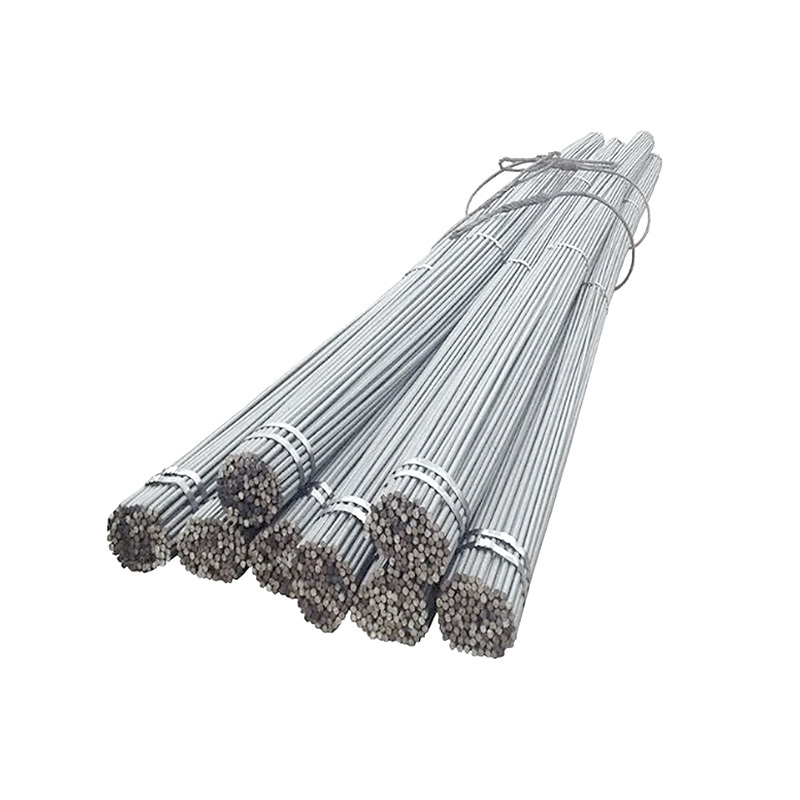
Galvanized reinforcing steel is bare reinforcing steel coated with a protective layer of zinc metal. The zinc coating serves as a barrier to corrosive elements that the rebar is exposed to when embedded in concrete.
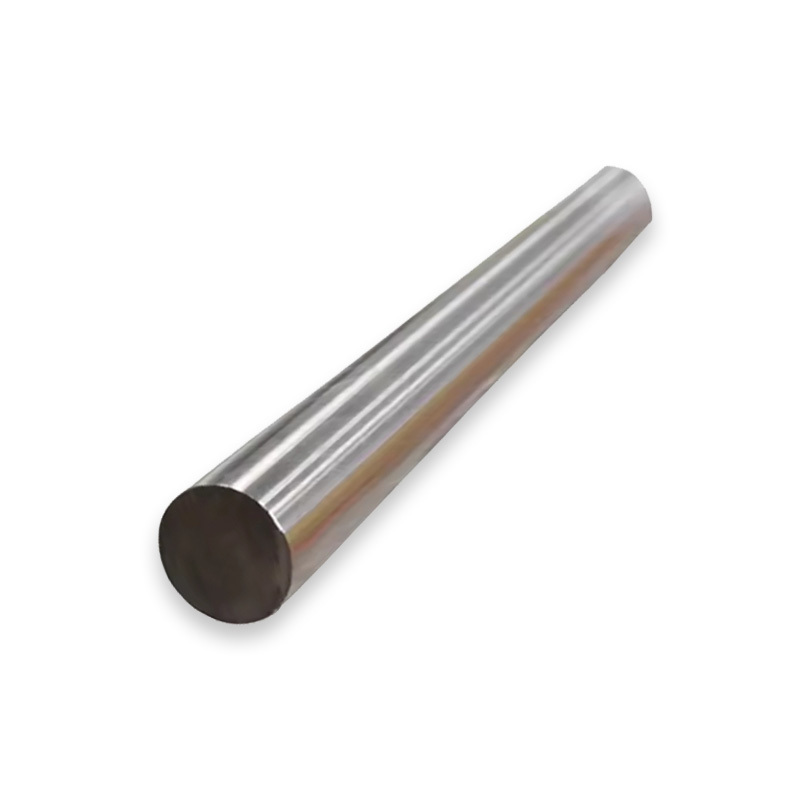
Bright steel bars are made from cold drawn steel and have a shiny, polished finish. They are known for their precision and accuracy in terms of dimension and are commonly used in the production of precision components such as gears, shafts, and bearings.
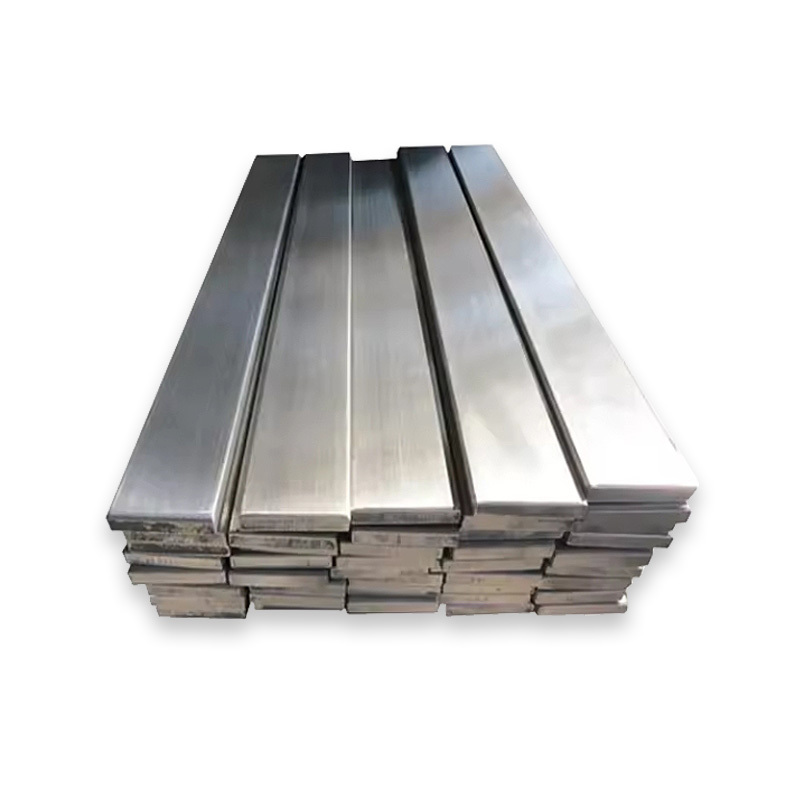
Flat bars are a flat, rectangular section with square edges varying in sizes. This cost-effective steel product is suitable for a wide variety of applications and is distributed into the construction, engineering, manufacturing, mining, grating, fabrication and many other industries.
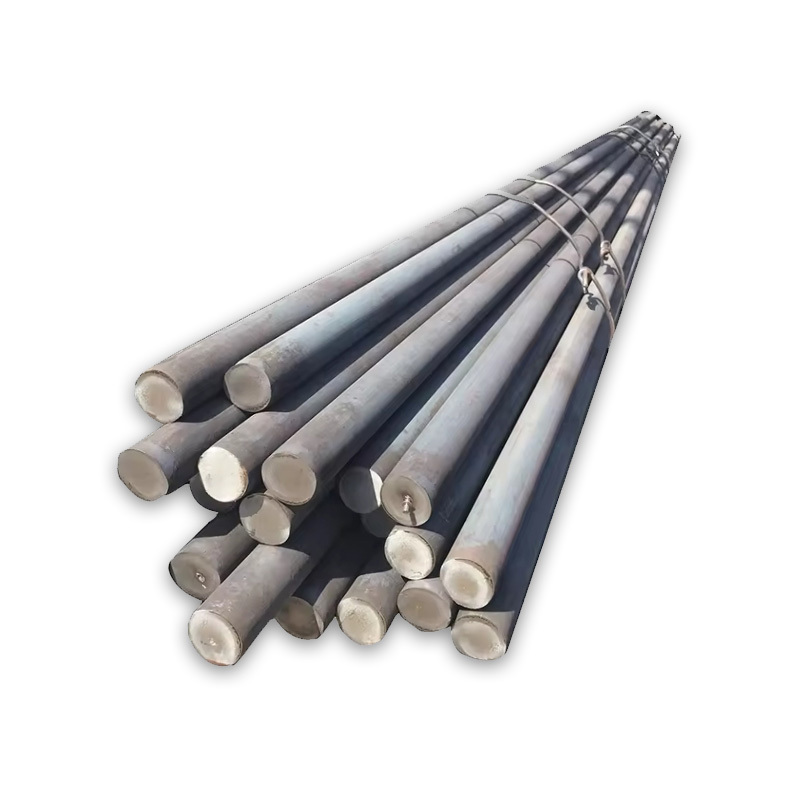
Cold drawn steel, like cold rolled steel, is processed at room temperature. However, while cold rolling produces a flat product, cold drawn steel produces a thin shape, like a rod or wire.
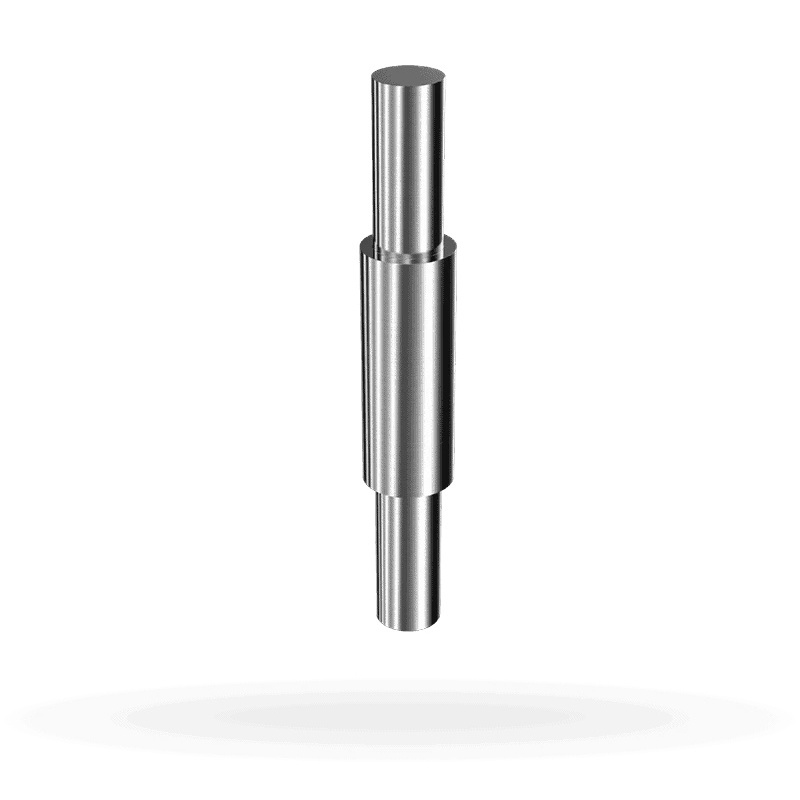
Step shafts comes with high-mechanical expectations. Our open-die forging process allows us to direct grain flow throughout the product’s geometry to improve its qualities and performance. Our forging capabilities provide significative cost and material savings compared to machined-bar step shafts.
WUXI JIUCHUANG STAINLESS STEEL CO.LTD
Tel:+86-18921168065
E-mail:info@jiuchuangsteel.com
Add:10-1 Xipan Xiangyuan, Luoshe Town, Huishan District, Wuxi City

copyright © 2025 WUXI JIUCHUANG STAINLESS STEEL CO.LTD
Business license